
You might be reading this after another night that went a little further than you planned. Maybe it started as “just a few beers after work,” or “a couple of glasses of wine to relax,” and then, somewhere along the way, it became a habit that you are not proud of. You still go to work. You still take care of your family. On paper, everything looks fine. Inside, it feels anything but fine.
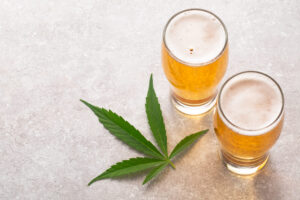
You might be wondering if switching from alcohol to cannabis would help you regain some control. Then another thought shows up. You have heard people call cannabis a “gateway drug,” and that phrase has a way of sticking in your mind. You do not want to trade one problem for another. You just want some peace.
This is a hard place to be, and it can feel lonely. You are not alone. Many adults in South Jersey quietly ask the same questions, especially now that legal cannabis is available in places like Egg Harbor Township. You are trying to weigh relief against risk, and that is a heavy thing to hold by yourself.
Here is the short version of what follows. Cannabis is not automatically a “gateway” to harder drugs, but it can become a problem for some people, especially if they already struggle with addiction or mental health issues. At the same time, some adults do use cannabis to drink less, and some research suggests it can help reduce alcohol use for certain people.
The truth sits in the middle. It depends on your history, your body, your mental health, and how you use it. A legal cannabis dispensary like City Leaves in Egg Harbor Township can be a safer, more structured place to ask questions and explore options, but it is not a magic fix.
So, where does that leave you?
Why you are even asking about cannabis and alcohol in the first place
When alcohol starts to feel like a problem, it rarely happens in a dramatic moment. It creeps in quietly. You might notice you are pouring a drink earlier in the evening. You wake up heavier, more anxious, and a little ashamed. You tell yourself you will cut back, but by the weekend, the same pattern returns. Because you are functioning, people around you might not notice, which can make you feel even more stuck.
Legal cannabis enters the picture as a tempting “middle ground.” It is legal in New Jersey. It feels less destructive than drinking. There is no hangover in the same way. You see dispensaries with clean, well-lit interiors instead of someone’s basement or a parking lot. It can feel like a more grown up, controlled choice.
At the same time, deep down, you might worry. What if swapping alcohol for cannabis just creates a new problem? What if it really is a gateway? You might hear old messages in your head about “drugs” all being the same. Because of this tension, you might feel frozen. Doing nothing feels bad. Choosing wrong feels worse.
Is cannabis really a “gateway drug,” or is that an outdated story?
The phrase “gateway drug” has been used for decades. The idea is simple. You start with one substance, like cannabis, and that “opens the gate” to harder drugs such as cocaine, opioids, or meth. It sounds neat. Real life is not neat.
Research from agencies like the National Institute on Drug Abuse (NIDA) shows a more complicated picture. People who use cannabis are more likely to use other substances compared with people who never use cannabis. That is true. But that does not mean cannabis causes later drug use by itself. Other factors often play a strong role, such as:
- Starting any substance use at a young age
- Family history of addiction
- Untreated anxiety, depression, or trauma
- Peer group and environment
- Access to other drugs
Think of it this way. If someone grows up in a situation where drugs and alcohol are common, they might try cannabis first simply because it is the easiest thing to find. The same person might also be more likely to try other drugs later, not because cannabis “pushed” them there, but because the environment, stress, and genetics are all working in the background.
So, is cannabis always a gateway? No. Can it be part of a larger pattern that leads to more serious drug use, especially if started young or used heavily? Yes. Both can be true.
This is why the real question is less “Is cannabis a gateway drug” and more “What is your personal risk if you use cannabis to cut back on drinking?”
Can cannabis actually help some people drink less?
Here is where things get even more complicated. As legal cannabis has expanded, researchers have started asking whether some adults use it to replace or reduce alcohol. Some studies have found that certain people who use cannabis report drinking less. Others show people doing both, which can increase risk.
For example, some observational research has found that medical cannabis patients with pain or anxiety sometimes reduce their alcohol intake when they start using cannabis, though this is not guaranteed. The Centers for Disease Control and Prevention (CDC) reminds us that alcohol is linked to liver disease, certain cancers, accidents, and relationship damage. So, if a person truly drinks less and uses cannabis in a controlled way, the overall risk might decrease.
Here is the catch. It depends on how you use cannabis, how often, and why. If you replace four drinks a night with a small dose of cannabis a few times a week, that is a very different pattern from adding cannabis on top of drinking, or using strong products all day to escape feelings.
So, if you are an adult in South Jersey thinking about using cannabis instead of alcohol, you are not alone. The question is not “Is this good or bad” in a blanket way. It is “What does this look like in your life, with your body, your history, and your responsibilities?”
What could go wrong if you switch from alcohol to cannabis too fast?
It helps to be honest about the risks, especially if you have a history of addiction or mental health concerns. Some of the challenges people face when they make a quick switch include:
- Trading one dependence for another. If you are used to drinking every night to numb stress or anxiety, it is easy to start using cannabis in the same pattern. The substance changes. The relationship to it does not.
- Underestimating how strong legal products are. Modern cannabis, especially in concentrates and edibles, can be much more potent than what some people tried in college. Without guidance, it is easy to overdo it, which can cause panic, confusion, or a very unpleasant experience.
- Impact on mood and motivation. Some people notice that heavy daily cannabis use can leave them feeling unmotivated or disconnected. If you already struggle with depression, that matters.
- Driving and safety risks. Just like alcohol, cannabis can affect your reaction time and judgment. Operating a car or heavy equipment under the influence is dangerous and illegal, even if the product itself is legal.
On top of those risks, you might have legal or work-related concerns. For example, some employers still test for THC. Even though recreational cannabis is legal in New Jersey, a positive test can create issues depending on your job and your employer’s policy.
This is where a regulated cannabis dispensary in Egg Harbor Township, like City Leaves, can play a constructive role. It does not remove all risk, but it gives you a safer, controlled environment to learn, ask questions, and start low instead of guessing in the dark.
Comparing alcohol and cannabis as coping tools for South Jersey adults
When you are trying to decide whether cannabis could help you change your relationship with alcohol, it helps to see some of the tradeoffs clearly. This is not about saying one substance is “good” and the other is “bad.” It is about understanding what you are choosing.
| Factor | Alcohol | Cannabis (legal, regulated) |
| Legal status in NJ | Legal for adults 21+, widely accepted socially | Legal for adults 21+ from licensed dispensaries like City Leaves |
| Short-term effects | Relaxation, lowered inhibitions, impaired judgment, and coordination | Relaxation, altered perception, possible anxiety or paranoia at high doses |
| Long term health impact | Linked to liver disease, heart issues, certain cancers, and dependence | Possible impact on memory and motivation with heavy use. Lower overdose risk compared with alcohol |
| Overdose risk | Risk of alcohol poisoning and death with heavy drinking | No known fatal overdose, but very high doses can cause severe anxiety, confusion, or vomiting |
| Hangover | Common. Headache, nausea, fatigue | Less traditional “hangover,” but some report grogginess or fogginess |
| Dependence potential | High. Alcohol use disorder is common | Moderate. Cannabis use disorder is possible, especially with daily use |
| Social acceptance | Very common in social events and family gatherings | Growing acceptance, but still some stigma, especially for older adults |
| Support for cutting back | AA, therapy, medical support, online resources | Emerging research and support. Guidance from knowledgeable dispensary staff can help with responsible use. |
Seeing these side by side, you might notice something. Alcohol carries serious physical health risks, especially when used heavily over time. Cannabis carries its own risks, especially for mental health and dependence, but the pattern is different. Neither is completely safe. Both can be used in safer or more dangerous ways.
So, if you are considering legal cannabis instead of alcohol in South Jersey, the goal is not to create a new crutch. It is to move toward a life where you are more present, more in control, and less at war with yourself.
How a local cannabis dispensary can fit into a healthier plan, not replace it

City Leaves in Egg Harbor Township is not a bar, and it is not a doctor’s office. It sits somewhere in between. It is a regulated space where adults can explore legal cannabis with structure and guidance. That matters if you are trying to change a long-standing relationship with alcohol.
Here is how a responsible visit to a dispensary can support your goals:
Education instead of guesswork. Staff can explain different product types, THC and CBD levels, and how to start with a low dose, especially if you are new or returning after many years.
Safer access. You know exactly what you are buying, how strong it is, and that it has been tested. That is very different from taking whatever someone hands you at a party.
Space to be honest. You can share that you are trying to cut back on alcohol and want something that will not knock you flat or feed an all-day habit. The goal is to match products to your intention, not just “get the strongest thing.”
Still, a dispensary is only one part of the picture. If alcohol has wrapped itself around your life in a deep way, you might also need support from a therapist, support group, or medical provider to untangle it safely.
Three practical steps if you are thinking about using cannabis to drink less
If you are standing at this crossroads, you do not need a grand plan. You need a few clear, honest steps you can take this week. Here are three.
1. Get real about your current alcohol use
Before you introduce anything new, take a quiet, honest look at where you are. Write down, for one week, what you drink, when, and how you feel before and after. No judgment. Just data. You might notice patterns that surprise you, such as “I drink fastest right after work” or “I always overdo it on Fridays.”
Use this to ask yourself:
- Am I using alcohol to numb anxiety, stress, or loneliness
- Have I tried to cut back and failed more than once
- Do I have withdrawal symptoms like shaking, sweating, or strong cravings if I skip a day
If your answers worry you, consider speaking with a medical professional before you cut back sharply. Stopping heavy drinking suddenly can be dangerous for some people. Your primary care provider can be a starting point, or you can look up resources through NIDA or the CDC sites linked above.
2. If you try cannabis, start low, go slow, and do not mix
If you choose to visit a legal dispensary like City Leaves in Egg Harbor Township, go in with a clear intention. You are not there to “get wrecked.” You are there to explore whether a small, controlled amount of cannabis can help you relax in the evenings without reaching for multiple drinks.
Some practical guardrails:
- Tell staff you are either new or returning after a long break, and that you want the lowest practical dose.
- Avoid high-potency concentrates in the beginning.
- If you use edibles, start with a very low dose and wait at least 2 hours before taking more. They can take time to kick in.
- Choose a night when you do not have to drive, work, or take care of small children.
- Do not mix alcohol and cannabis. Combining them can increase impairment and anxiety.
Treat this as a test, not a new habit. Pay attention to how you feel that night and the next morning. Ask yourself whether it actually helped you drink less or just added another layer.
3. Build support that is bigger than any substance
Whether you use cannabis, cut back on drinking on your own, or seek formal treatment, one thing is almost always true. Change is easier when you are not doing it in isolation.
Consider:
- Talking with a therapist who understands addiction, anxiety, or trauma.
- Exploring support groups, whether traditional ones like AA or more flexible, modern options that fit your beliefs.
- Letting one trusted person in your life know what you are trying to do. You do not have to share every detail. Just enough so someone can notice if you start to slip into a new pattern.
Think of cannabis, if you choose to use it, as one tool in a larger toolbox, not the entire plan. The real work is learning other ways to soothe yourself, set boundaries, and face hard days without reaching for something every time.
Where you go from here, and how City Leaves in Egg Harbor Township fits in
You are asking hard questions because you care about your life, your health, and the people around you. That matters. Whether cannabis becomes part of your path away from heavy drinking, or you decide it is not right for you, the fact that you are pausing to think instead of just repeating old habits is a meaningful step.
Cannabis is not automatically a “gateway drug,” and it is not automatically a safe escape hatch. It is a substance with risks and benefits, and for some South Jersey adults, it can be part of reducing alcohol use when approached thoughtfully. For others, especially those with a strong history of addiction or mental health challenges, it might not be the right path.
City Leaves in Egg Harbor Township is here as a legal, regulated place to ask questions, learn about options, and, if you choose, explore products in a way that is measured rather than impulsive. You do not need to have it all figured out before you walk through the door. You only need the willingness to be honest about what you are struggling with and what you hope might change.
You deserve evenings that do not end in regret, mornings that do not start with shame, and a life that feels more like something you are living and less like something you are numbing. If exploring cannabis as an alternative to heavy drinking is one step on that road, you can take it with your eyes open and support around you.