
You might be lying awake at night, listening to your own snoring on a sleep app, or waking up gasping and wondering what this is doing to your body. Maybe you already tried a CPAP and could not stand the mask, or you are waiting months for a sleep study, and in the meantime you are exhausted. Then you hear someone say, “Cannabis helped my sleep apnea,” and you start to wonder if that could be your way out.
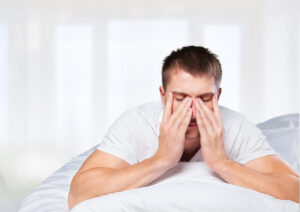
If you are in New Jersey, cannabis feels more accessible than ever. At the same time, you might be unsure what is real, what is hype, and what is safe for a condition that already affects your breathing. That tension is very real. You want relief, but you do not want to make things worse.
Here is the short version. Cannabis might help you feel calmer or fall asleep faster, but current research does not support it as a safe or proven treatment for sleep apnea. In fact, key sleep experts strongly advise against using it as a primary therapy. That does not mean you can never use cannabis if you have sleep apnea. It means you need to move carefully, work with your doctor, and understand the tradeoffs before you try anything.
Why sleep apnea feels so scary and why cannabis sounds tempting
Sleep apnea is not just about loud snoring. It is about your airway repeatedly closing while you sleep, drops in oxygen, and your body jolting you awake over and over. You wake up tired, irritable, and foggy. Your partner might be worried. You might be worried about your heart, blood pressure, or even driving while sleepy.
Now add the stress of treatment. Maybe your CPAP feels like a leaf blower on your face. Maybe you cannot afford a dental device, or you are waiting for insurance approvals. You read about surgery and feel nervous. So when someone says cannabis helps them “sleep like a rock,” it sounds like a simple, more natural option.
Because of this, you might be wondering. Is using cannabis for sleep apnea actually safe for someone like you in Egg Harbor Township or anywhere in New Jersey?
What experts are really saying about cannabis and sleep apnea
This is where things get more complicated. There have been some early studies on specific synthetic cannabinoids for sleep apnea, but they are limited, small, and not about the products you buy in a dispensary. You are not getting those exact experimental compounds in a retail setting, and even those did not become approved treatments.
The American Academy of Sleep Medicine, which sets many of the standards for sleep doctors, has been very clear. In its position statement on medical cannabis and obstructive sleep apnea, the group advises against using medical cannabis as a therapy for sleep apnea because of limited evidence, variable dosing, and possible side effects.
They also issued a separate health advisory on marijuana and sleep apnea. In that advisory, they warn that marijuana could change breathing patterns during sleep and may actually increase some risks. So while you might feel calmer, your airway problems could still be there, or even get worse without you noticing.
So where does that leave you if you are curious about trying cannabis while dealing with sleep apnea?
The real-world risks and tradeoffs you deserve to know
Imagine two different nights.
On the first night, you use cannabis, fall asleep faster, and do not remember waking up as much. You feel like you slept better. The next day you still feel tired, but you assume you just need to adjust.
On the second night, you skip cannabis and use your CPAP. You toss and turn with the mask and feel frustrated. But in the morning, your sleep report shows fewer breathing events and better oxygen levels.
This is the heart of the problem. Cannabis can change how sleep feels without fixing the underlying airway obstruction. Feeling like you slept does not always mean your sleep apnea is controlled.
There are also emotional and financial layers. You may be spending money on flower, vapes, or edibles, hoping they are helping your apnea. You might delay or avoid proven treatments because you are clinging to something that feels easier. You may also be mixing cannabis with other sedating medications or alcohol, which can further relax your airway muscles and worsen breathing problems.
At the same time, it is understandable if you still want to explore cannabis for relaxation, pain, or general sleep support while you manage sleep apnea in more standard ways. The key is to treat cannabis as a possible support, not as your main apnea therapy, and to use it in a smart, informed way.
How cannabis compares with standard sleep apnea treatments
The question is not just “Does cannabis help?” A better question is “How does it compare with what we already know works and what are the real risks versus benefits for someone with sleep apnea?”
| Option | What it actually does | Evidence for sleep apnea | Main risks or downsides |
| CPAP or BiPAP | Keeps your airway open with gentle air pressure during sleep | Strong clinical evidence, considered gold standard for moderate to severe apnea | Mask discomfort, noise, adjustment time, equipment cost |
| Oral appliance (dental device) | Moves your jaw forward to keep airway more open | Good evidence for mild to moderate apnea when fitted by a trained dentist | Jaw discomfort, dental changes over time, not ideal for everyone |
| Weight loss, position therapy, lifestyle changes | Targets root causes like weight, sleeping on your back, alcohol before bed | Can meaningfully reduce apnea in some people, usually combined with other treatments | Requires consistency; results can be slow or partial |
| Cannabis products from a dispensary | May ease anxiety, help you fall asleep, change sleep perception | Current expert guidance says not recommended as a treatment for sleep apnea | Possible worsened breathing at night, daytime grogginess, dependency, cost, legal limits on use |
When you compare them side by side, you can see the pattern. Proven treatments focus on physically keeping your airway open or reducing the causes of obstruction. Cannabis affects how you feel and sleep, but has not been shown to reliably and safely correct the airway problem.
What New Jersey patients should know about medical cannabis access
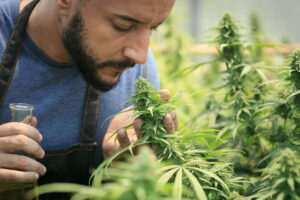
If you live in New Jersey and are thinking about using cannabis in any way while you have sleep apnea, it helps to understand the framework you are stepping into. The state has a structured system for medical cannabis, with rules, patient protections, and registration steps. You can explore those details in the official information on New Jersey’s Medicinal Cannabis Program.
Sleep apnea on its own is not commonly listed as a qualifying condition. However, many patients with apnea also live with chronic pain, anxiety, or other issues that might qualify. That is where a thoughtful conversation with a healthcare provider becomes important. You are not just trying to get a card. You are trying to keep your breathing safe while exploring relief.
This is where a trusted cannabis dispensary in Egg Harbor Township, such as City Leaves, can support your journey. Not by replacing your doctor, but by helping you choose milder products, careful doses, and timing that respects your underlying sleep and breathing issues.
Actionable steps before you try cannabis for sleep when you have apnea
1. Talk openly with your sleep doctor or primary care provider
Tell your doctor exactly what you are thinking about. Be specific. For example, “I am considering trying a low dose edible in the evening to help me relax and fall asleep. I have moderate obstructive sleep apnea and use CPAP some nights but not every night.” Ask how that might interact with your apnea, your CPAP, and any other medications. If you already use cannabis, be honest about what, how often, and how it makes you feel. Your doctor would rather know and help you stay safe than be left guessing.
2. Commit to proven apnea treatment first, then consider cannabis as a support
Even if you dislike your CPAP or find oral appliances frustrating, give them a fair chance before deciding they do not work. Ask about mask refits, pressure adjustments, or alternative devices. Work on the basics such as weight management, alcohol timing, and sleep position. Only after you have a stable apnea plan in place should you consider adding cannabis for general sleep support. Think of it as “add-on” support, not a replacement therapy.
3. If you choose to use cannabis, start low, go slow, and track your nights
If you and your doctor agree that cautious cannabis use is reasonable, start with the lowest effective dose and avoid stacking products. Go easy with edibles, since they can last through the night and may deepen sedation. Keep a simple notebook or use an app to track your bedtime, cannabis dose and type, CPAP use, awakenings, and how you feel in the morning. Notice whether you are more groggy, more short of breath, or having more headaches on cannabis nights. Share this pattern with both your doctor and your dispensary staff so they can help you adjust.
Where you go from here and how City Leaves can support you
Living with sleep apnea can feel lonely and frustrating. You might be tired of machines, tired of explaining your snoring, and tired of waking up feeling like you barely slept. Curiosity about using marijuana for sleep apnea does not make you reckless. It makes you human and hopeful.
You deserve honest information, not scare tactics and not empty promises. Cannabis is not a cure for sleep apnea. It can, however, be one tool for relaxation or sleep support when used carefully, alongside the treatments that actually protect your airway.
If you are ready to explore options with people who respect both your health and your budget, City Leaves in Egg Harbor Township is here to walk through it with you. You can talk through product types, timing, and gentle starting doses, all with your sleep and breathing in mind, not just your high.
Score the Best Bud at the Best Price and do it in a way that keeps your nights as safe as possible. Call City Leaves at (609) 288-8574 or stop by to ask your questions in person. You do not have to figure out cannabis and sleep apnea on your own.