

You might have expected to feel relaxed, lighter, maybe even a little more present after using cannabis. Instead, your heart started racing, your thoughts sped up, and suddenly, you were wondering if something was wrong with you. Time felt strange, sounds felt louder, and it was hard to explain what you were going through to anyone around you.
Now you might be worried it will happen again, or even question whether cannabis is for you at all. If that sounds familiar, you are not alone. Many people in Egg Harbor Township and beyond come to City Leaves after experiencing what they describe as a “bad high” or cannabis-induced anxiety.
They feel embarrassed, frustrated, or even a bit scared, and they want to understand why it happened and how to keep it from happening again. Because of this tension, you might wonder if you can ever feel comfortable using cannabis again, or whether the safest choice is to walk away. Here is the reassuring part. A difficult cannabis experience is usually temporary, often preventable in the future, and it does not mean your body or mind is broken.
With the right information, a more thoughtful approach, and support from a trusted cannabis dispensary in Egg Harbor Township, NJ, you can make safer choices that match your tolerance, your goals, and your comfort level. In simple terms, you will learn why cannabis sometimes increases anxiety, what to do in the middle of that anxious high, and how to lower the chances of it happening again. You will also see how a careful, guided approach to cannabis can make a big difference in how you feel, both in the moment and over time.
Why can cannabis make anxiety worse instead of better?
Many people first reach for cannabis hoping to feel calmer, sleep better, or take the edge off a stressful day. Then they are caught off guard when the opposite happens. The room feels too intense. Their thoughts get stuck on one worry.
Their bodies feel strange, and that strange feeling makes them even more anxious. It can feel like a spiral that is hard to stop. There are a few common reasons this happens.
- THC sensitivity. Tetrahydrocannabinol, or THC, is the main psychoactive compound in cannabis. For some people, especially if they are new or returning after a break, even a modest dose can feel overwhelming. The brain’s receptors respond strongly, which can trigger a rush of thoughts, heightened awareness, and, for some, panic.
- Too much, too fast. Edibles, vapes, and concentrates can deliver THC in powerful ways. With edibles, the effects are delayed, so people often take more because they “do not feel anything yet.” When it finally hits, it can feel like too much. With vapes or concentrates, a few strong pulls can quickly push someone past their comfort zone.
- Setting and mindset. If you are already stressed, in an unfamiliar place, or around people you do not fully trust, cannabis can amplify those feelings. Instead of softening your worries, it can magnify them.
- Underlying anxiety. If you live with anxiety, panic attacks, or a history of trauma, your nervous system might be more reactive. THC can stir that up. Some people do better with lower THC, higher CBD, or very specific product types because of this.
So, where does that leave you if you have already had a bad experience and you are still thinking about it days or weeks later?
How a “bad high” can affect you after it is over
A difficult experience with cannabis does not always end when the high wears off. Sometimes the emotional fallout lingers. You might find yourself replaying what happened, worrying it will occur again, or feeling ashamed that you “could not handle it.”
You may even have physical memories, like a racing heart or tight chest, that show up whenever you think about using cannabis again. On top of that, there can be practical worries. Maybe you spent money on products that now sit unused because you are afraid to try them again.
Maybe you were with people who did not understand what you were going through, and you are unsure who to trust next time. If you use cannabis for medical reasons, you might feel caught between wanting symptom relief and fearing another anxious episode. These reactions are understandable.
Your body and mind are trying to protect you from repeating something that felt scary. The goal is not to ignore that, but to work with it. You can use what you learned from that “bad high” to guide smarter, safer choices going forward. Before talking about prevention, it helps to understand what you can do in the moment if anxiety hits again.
What can you do during a bad high to feel safer and more grounded?
When anxiety peaks, it is hard to remember that you are not in danger. It can help to have a simple plan in mind ahead of time, so you are not trying to figure it out on the spot.
- Remind yourself it is temporary. THC effects will fade. For smoked or vaped cannabis, the intense part usually eases within 30 to 90 minutes. For edibles, it might take a few hours. You can repeat to yourself that your body is processing the THC, and this will pass.
- Change your environment. Move to a quieter room. Dim the lights. Sit or lie down in a position that feels safe. Sometimes just stepping away from loud music, bright screens, or a crowded living room can soften the anxiety.
- Focus on simple sensations. Hold something cool, like a glass of water. Feel your feet on the floor. Notice five things you can see, four things you can feel, three things you can hear. This grounds your mind in the present instead of in racing thoughts.
- Avoid adding more substances. Alcohol, more cannabis, or other drugs will not “fix” a bad high. They can make your body work harder and increase confusion. Stick with water, gentle snacks, and time.
- Talk to someone calm. If you are with a trusted person who understands cannabis, tell them what you are feeling. Ask them to remind you that you are safe, that this will pass, and that they will stay with you until you feel steadier.
If you ever feel chest pain, trouble breathing, or symptoms that feel like a medical emergency, it is always okay to seek urgent help. The Centers for Disease Control and Prevention offers clear guidance on cannabis effects and when to get medical care. Most anxious highs do not require emergency treatment, but your safety always comes first.
Comparing safer use strategies to high-risk habits
One way to regain your confidence is to look at the difference between patterns that tend to increase anxiety and patterns that tend to keep it in check. This comparison can help you see where a few changes might protect you from future bad experiences.
| Approach to Cannabis | More Likely to Trigger Anxiety | More Likely to Support a Calm Experience |
| THC Dose | High THC products, strong edibles, or multiple hits without waiting | Low THC, gradual dosing, starting with the smallest effective amount |
| Product Type | Concentrates or very potent vapes when new or sensitive | Flower with moderate THC, or products with balanced CBD and THC |
| Timing & Setting | Using when stressed, in public, or around people who feel unsafe | Using in a familiar, calm space with someone you trust nearby |
| Knowledge & Support | Guessing on dose, no guidance, relying on what others take | Consulting trained dispensary staff, asking questions, and tracking your response |
| Expectations | Expecting instant relief or a “perfect” high every time | Understanding that effects vary and approaching use with curiosity |
Research from organizations like the National Institute on Drug Abuse (NIDA) supports what many people learn from experience. Higher THC and faster delivery methods increase the chance of anxiety, paranoia, and panic, especially in people who are new to cannabis or prone to worry. Slower, lower, and more intentional use tends to be safer and more predictable.
So how do you turn that knowledge into clear, practical steps you can take right now, especially if you are still shaken by a previous bad high?
Three steps to recover from a bad high and prevent the next one
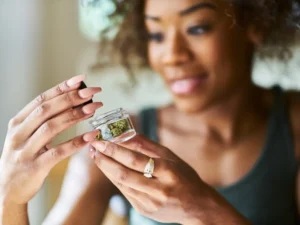
You do not need to make huge changes all at once. A few focused steps can give you more control and peace of mind.
1. Reflect on what happened without blaming yourself
Instead of trying to forget the experience, gently review it. Ask yourself a few simple questions.
- What type of cannabis did you use? Flower, vape, edible, tincture, or concentrate.
- How much did you take, and how quickly?
- Where were you, and who were you with?
- How were you feeling before you used cannabis that day?
Write your answers down if it helps. You are not collecting evidence against yourself. You are gathering clues. This reflection can show you patterns. Maybe the edible dose was too high for your body. Maybe the setting was too chaotic. Maybe you were already anxious when you started.
Each detail gives you something you can change next time. If you feel ongoing anxiety or panic that affects your daily life, it can also be wise to talk to a healthcare professional or therapist. They can help you sort out what comes from cannabis and what might be part of a broader anxiety pattern.
That information can guide your decisions about whether, when, and how to use cannabis in the future.
2. Reset your approach with lower doses and calmer products
Once you feel ready to try again, treat yourself like a new user, even if you have used cannabis for years. Your nervous system has already told you that it wants a slower, gentler approach.
- Start with the lowest available dose, especially with edibles. Many people do better starting with 1 to 2.5 milligrams of THC rather than 10 milligrams.
- Consider products that are higher in CBD or have a balanced CBD to THC ratio. CBD does not erase THC anxiety for everyone, but for some, it softens the intensity.
- Choose flower or tinctures over very strong vapes or concentrates while you rebuild trust with your body.
- Use in a calm, familiar space, ideally when you do not have responsibilities or deadlines looming.
This is where support from a thoughtful cannabis dispensary can make a real difference. At City Leaves in Egg Harbor Township, staff can walk you through options that other anxiety-sensitive customers have found easier to tolerate, and they can help you understand product labels, dosing, and timing so you are not guessing alone.
3. Create a personal “safety plan” for future use
A safety plan is not dramatic. It is simply a short list of what you will do if you start to feel anxious again while using cannabis. Knowing you have that plan can reduce fear before you even take your first dose.
Your plan might include:
- Who will you tell if you start to feel uncomfortable? This could be a partner, a trusted friend, or someone you can call or text.
- Where will you go to feel calmer? A bedroom, a quiet corner, a favorite chair.
- What will you remind yourself of? For example, “This is THC, not danger. My body knows what to do. It will pass.”
- What you will avoid. More THC, alcohol, scrolling through stressful news, or social media.
You can even write your safety plan on a small card and keep it near your products. That way, you do not have to remember it when your mind is busy. The simple act of planning tells your nervous system that you are taking care of it, which can reduce anxiety before it even starts.
How City Leaves in Egg Harbor Township can support calmer, more intentional cannabis use
You do not have to figure out all of this by yourself. A trusted cannabis dispensary can be a partner in your learning process, especially when you have experienced anxiety or a bad high in the past. The goal is not to push products.
It is to help you understand how different strains, potencies, and formats might land in your unique body. When you visit City Leaves in Egg Harbor Township, you can share as much or as little as you are comfortable with about your past experience. You might say something as simple as “I had a bad high and felt very anxious.
I want something much gentler this time.” From there, staff can help you:
- Choose lower THC options and balanced CBD products that align with your needs.
- Understand how to read labels, so you know exactly what you are taking.
- Plan your dose and timing, especially with edibles or tinctures.
- Explore different product types if one format gave you trouble before.
Whether you are seeking a calmer experience, pain relief, better sleep, or simply a more predictable relationship with cannabis, you deserve clear information and patient guidance. A thoughtful approach to what to do after a bad cannabis experience can turn fear into understanding and help you feel more in control of your choices.
Moving forward with more confidence and less fear
Feeling anxious after cannabis can shake your trust in yourself. It can make you worry that you will never enjoy it the way other people seem to. Yet that difficult experience can also become an important teacher.
It can show you that your body is sensitive, that you need lower doses, calmer settings, or different products, and that you are allowed to ask for help and take your time. You do not have to rush your decision about whether to use cannabis again. You can pause, learn, ask questions, and move at a pace that feels safe.
If you choose to try again, a slower, more intentional approach with support from a knowledgeable dispensary can greatly reduce the chance of another anxious high. If you are in Egg Harbor Township and want guidance choosing gentler products or rebuilding your comfort with cannabis, City Leaves is here to support you with information, patience, and care. You deserve to feel safe, informed, and respected every step of the way.
Reach out to us at (609) 288-8574 if you have any questions.