
Cannabis is a cultural icon with deep roots in history, art, music, and social change. From the beatnik era to the hippie movement and beyond, this plant has played a big role in inspiring and shaping our communities.
Cannabis and the Beat Generation
In the 1950s, writers and poets of the Beat Generation, like Jack Kerouac and Allen Ginsberg, embraced cannabis as part of their rejection of mainstream conformity. Cannabis was seen as a tool for creativity and free thought, often tied to jazz clubs, late-night readings, and new ways of expressing art.
The Hippie Movement and Cannabis Flower Power
By the 1960s and 70s, cannabis had exploded in popularity as a symbol of the hippie counterculture. It was part of the peace-and-love movement, festivals like Woodstock, and protests against war and oppression. The phrase “flower power” became very popular, representing peace, natural living, and unity.
- Cannabis symbolized freedom from societal expectations.
- It brought communities together in music, art, and protest.
- It became a way to push back against authority and advocate for personal choice.
From Counterculture to the Cannabis Dispensary
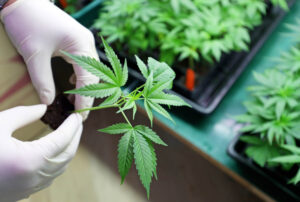
Fast forward to today, and cannabis has moved from being an underground symbol of rebellion to being legally available in many states for both medicinal and recreational cannabis use. The plant that once sparked controversy is now recognized for its benefits, quality, and versatility.
At City Leaves, we offer a wide range of premium products that connect modern cannabis culture to its historic roots, including:
- Cannabis Flower – the classic choice with a variety of strains to match your vibe.
- Cannabis Edibles – discreet, delicious, and effective.
- Cannabis Vapes – smooth, portable, and perfect for on-the-go enjoyment.
- Cannabis Extracts – concentrated, powerful, and crafted for those who want the strongest experience.
Just as past generations used cannabis to express themselves, today you can explore these products and find what fits your lifestyle.
Pick Up on Your Way to the Shore
Whether you’re headed for a weekend escape or just want to relax, our Egg Harbor Township cannabis dispensary makes it easy to pick up your favorite products quickly and conveniently. Our dispensary is here to serve locals and visitors alike with a wide selection of recreational cannabis in New Jersey.
Earn While You Burn
At City Leaves, we created our loyalty program so that every time you shop, you get more back. Earn while you burn and enjoy exclusive perks designed for true cannabis enthusiasts.
Here’s what you get:
- Sign-Up Bonus – Enjoy 20% off your first purchase plus a $10 birthday reward.
- Points on Every Purchase – Earn 1 point per $1 spent; redeem for up to $50 off future orders.
- Exclusive Perks – Free to join, points never expire, and members get early access to sales and special promotions.
Score the Best Bud at the Best Price
At City Leaves, we offer the highest quality cannabis products for every occasion. Stop by our Egg Harbor Township dispensary and see why so many choose us for value and quality. Have any questions?
Call Us Today at (609) 288-8574
How Cannabis Became a Symbol of Counterculture FAQs
How did cannabis become linked to counterculture movements in the 1960s?
A. Cannabis became associated with counterculture in the 1960s as young people, artists, and activists embraced it alongside movements challenging mainstream values. It was part of a broader expression against the Vietnam War, traditional norms, and conformity, and festivals like Woodstock helped solidify its place in alternative culture.
What role did music and festivals play in spreading cannabis counterculture?
A. Music and festivals were central to spreading cannabis counterculture, with rock concerts and gatherings like the Monterey Pop Festival and Woodstock serving as hubs where cannabis was openly used, promoted, and celebrated as part of the community experience.
How did attitudes toward cannabis shift as a result of the counterculture movement?
A. The counterculture movement helped challenge negative stereotypes and normalize cannabis use in certain communities. Over time, its widespread visibility in media and cultural events contributed to growing public acceptance and eventually influenced early conversations about decriminalization and reform.