
Currently, cannabis is legal in New Jersey. Adults 21 years and older can buy recreational cannabis at a licensed dispensary. In the United States, cannabis is legal in 40 of 50 states for medical use and 24 states for recreational use.
Cannabis laws are complex but that has always been the case. Cannabis has a long and complicated history in America. Hemp was an important crop centuries ago. Then it was prohibited and treated as a threat. In 2025, most states have legalized cannabis to some degree, but it is still illegal at the federal level. It is currently classified as a Schedule I drug, which means it’s considered to have a high potential for abuse and no currently accepted medical use.
The History of Cannabis
Hemp, derived from the fibrous stalks of the cannabis plant, has long been used to produce a wide range of goods, such as rope, textiles, and paper. In colonial America, it was a vital crop. In fact, in 1619, Virginia passed a law requiring every farm to grow hemp. At the time, it was so valuable that it was accepted as legal tender in Virginia, Pennsylvania, and Maryland. However, new materials like cotton emerged, offering softer and more comfortable alternatives. This caused hemp’s popularity to decline.
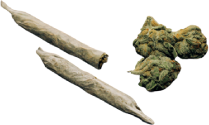
In the 19th and early 20th centuries, cannabis was commonly used in over-the-counter medications to treat conditions like pain, nausea, and insomnia. However, cannabis became controversial in the early 1900s, when a combination of xenophobia, racism, and sensationalist media coverage began associating cannabis use with immigrant communities and people of color, particularly Mexican and Black Americans. By 1931, 29 states had outlawed marijuana. This led to the Marijuana Tax Act of 1937, which banned cannabis nationwide.
The crackdown intensified with the Controlled Substances Act of 1970, which classified cannabis as a Schedule I drug, alongside heroin and LSD. This move launched the War on Drugs, which led to mass incarceration and disproportionately affected communities of color.
However, things changed in 1996, when California became the first state to legalize cannabis for medical use. Other states followed, gradually reshaping the national conversation. A major turning point came in 2012, when Colorado and Washington legalized recreational cannabis for adults, setting a new precedent.
Since then, 40 of the 50 states have embraced legalization of cannabis to some degree, reflecting changing public attitudes. While it remains illegal at the federal level, there have been efforts made to attempt to change this status. Will it happen? Time will tell.
Contact Us Today
Cannabis is now legal in New Jersey and has been for several years. Get what you need from City Leaves, where you can score the best bud at the best price. We offer a variety of cannabis products to fit your mood, such as flower, vapes, pre-rolls, edibles, concentrates, and topicals. Save even more with our rewards program, which allows you to earn while you burn. Stop in today, order online, or call (609) 288-8574.
History of Cannabis in the U.S. FAQs
How did cannabis go from being widely used to prohibited in the U.S.?
A. Cannabis was once a valuable crop used for hemp fiber and medicines. In the early 1900s, racialized fear and media campaigns led many states to ban marijuana, culminating in the 1937 Marijuana Tax Act that effectively outlawed it nationwide.
What federal law classified cannabis as illegal for decades?
A. The Controlled Substances Act of 1970 placed cannabis in Schedule I, meaning it was considered to have a high potential for abuse and no accepted medical use, keeping it illegal at the federal level.
When did legal reform begin in the U.S.?
A. Major reform began with California’s medical legalization in 1996, followed by Colorado and Washington legalizing adult‑use in 2012. Since then, most states have legalized cannabis in some form, though it remains illegal federally.